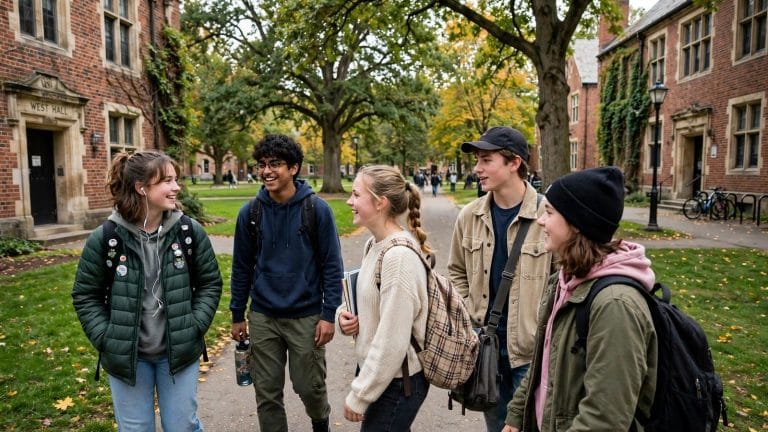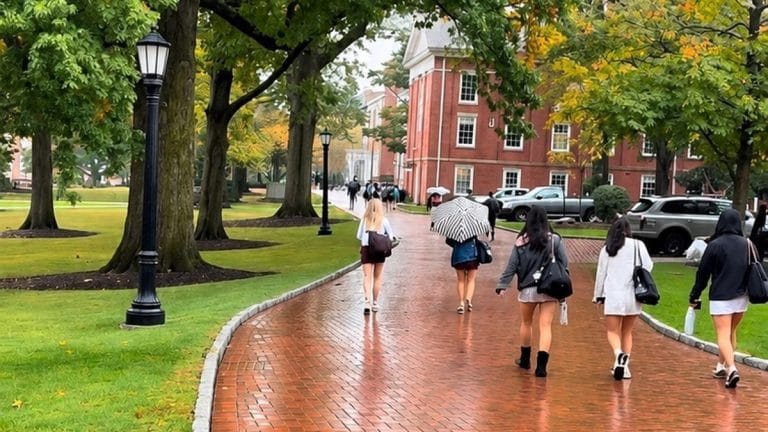

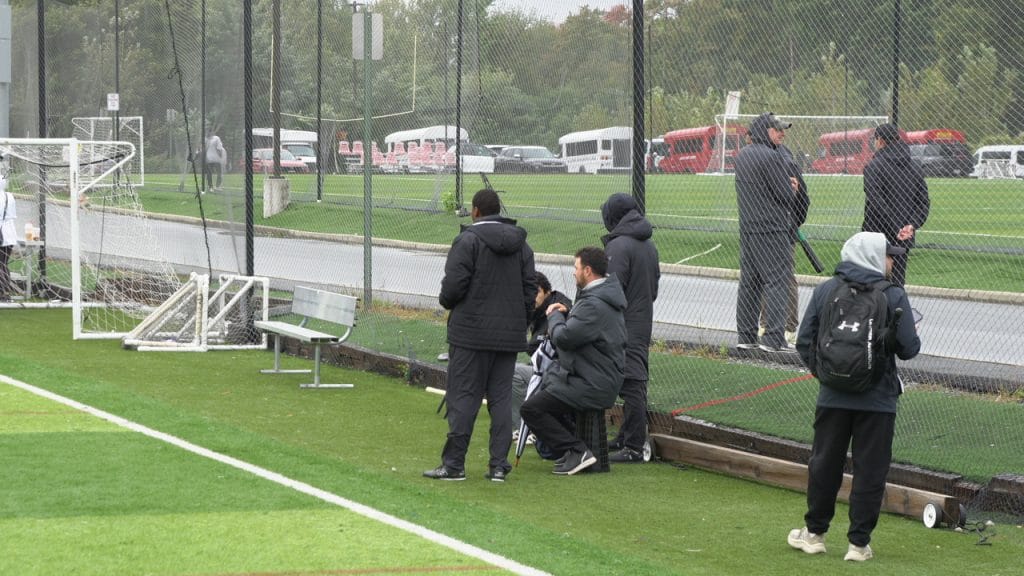
A postgraduate (PG) year is one more year at a U.S. boarding school, taken after a student has already finished secondary school. The student lives on campus, takes a full schedule of classes, plays on the school’s teams, and applies to U.S. colleges from there.
Many families outside the United States have never heard of it, because nothing like it exists in most school systems. In the U.S. it is an established path, especially for student-athletes. For a student who has graduated at home and wants to play college sport in the United States, it can be the year that makes that possible.
01 / WHAT IT IS
One Extra Year Between Secondary School and College
This has a name: a PG year. The student has a secondary school diploma, or will have one before the year begins. The PG year does not replace it. It adds a year at a U.S. school before college, with:
- A full academic program, often including advanced courses
- A place on the school’s teams, with a full season of competition
- Life in a dorm, alongside students from grades 9 to 12
- The school’s college counseling office, which guides each student’s college applications
A PG year is a separate application at each school that offers one, usually with the same deadlines as the rest of the school. Not every boarding school offers it. Among those that do, the number of PG places each year is small.
02 / WHO DOES IT
Who a PG Year Is For
Students take a PG year for different reasons. The most common:
| Student | What the year gives them |
|---|---|
| A U.S. athlete who needs one more season | Time to grow, to play at a higher level, and to be seen by college coaches |
| A student who wants a stronger academic record | A full year of grades and courses before applying to college |
| A student who graduated young | A year to mature before living on a college campus |
| An international graduate aiming for U.S. college sport | Everything above, plus a first year inside the U.S. system |
The last group is the one this article is written for.
03 / FOR INTERNATIONAL GRADUATES
Why a PG Year Fits a Student Who Graduated Abroad
A student who finishes secondary school outside the United States and wants to play college sport there faces four gaps at once. A PG year closes each of them.
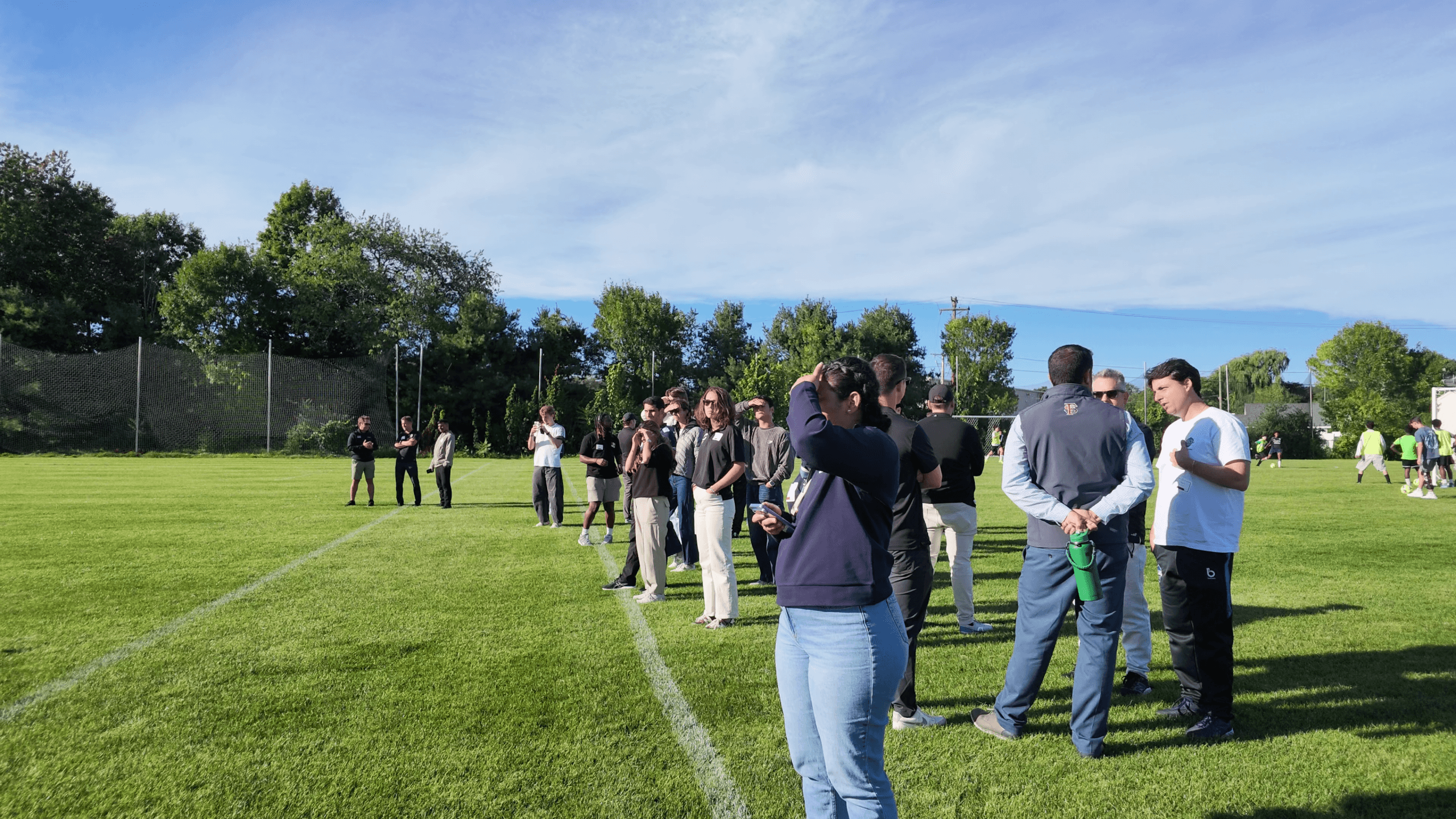
College coaches haven’t seen them play. A U.S. college coach recruits mostly from what they can watch and verify. A season with a U.S. boarding school team, against other U.S. schools, puts a student in the competition college coaches already follow, and on film coaches recognize. See what makes a highlight video a coach will watch.
Their transcript is unfamiliar. A year of grades from a U.S. school, with a U.S. teacher’s recommendation and a college counselor’s letter, gives a college admissions office a record it reads every day, alongside the transcript from home.
English and independence are untested. A year of classes, dorm life and team life in English is preparation for the same things in college. Students arrive at college already used to the system, the language and living away from home.
There is nobody to guide the next step. Boarding school college offices help students choose colleges, prepare applications and talk with college coaches. A family abroad gets an office that does this every year.
What a PG year does not do. It does not guarantee a college place, a roster spot or a scholarship. College coaches and admissions offices make those decisions. NCAA Division I is a small share of college sport. Division II, Division III, the NAIA and junior colleges all offer college sport with a degree, and for many players the right fit is one of them. A good PG year opens more of those doors; the college list is built from what the year shows.
04 / THE NCAA ELIGIBILITY CLOCK
Your Child’s Birthday Matters More Than It Used To
In 2026 the NCAA changed how college athletic eligibility is counted. As of October 2026:
- Division I adopted an age-based eligibility model1 in June 2026. It applies fully to students who first enroll in college in fall 2027 or later.
- Division II adopted the same model2 in August 2026.
- Division III has not adopted it. A proposal is expected to be considered in January 2027.
- The NAIA and junior colleges have their own rules.
This has a name: the eligibility clock. Under the new model, a Division I or II athlete has a five-year period of eligibility. The period starts at the earlier of two moments:
- When the student first enrolls full time at any college or university, in the U.S. or elsewhere
- The start of the first academic year after the student turns 19
Once it starts, the clock runs continuously. It does not pause for a PG year.
A PG year does not start the clock by itself. Turning 19 does. That makes your child’s birthday the deciding fact:
| If your child… | The PG year… |
|---|---|
| Turns 19 on or after September 1 of the PG year | Comes before the clock starts. Your child begins college with all five years. |
| Turns 19 before September 1 of the PG year | Falls inside the five years. Your child begins college with four, the length of a typical U.S. college degree. |
The second case is not a reason to rule out a PG year. Four years of college eligibility is what most athletes have always had. It does mean your family should know the date before deciding, and plan the PG year straight after graduation rather than after a gap year at home.
One more caution: enrolling full time at a university at home also starts the clock. A student who begins a university program and then decides on a PG year may already be using eligibility. Ask before enrolling.
Two other NCAA steps apply to every international athlete:
- Registration with the NCAA Eligibility Center, which reviews academic records from each country under its own standards. Register on the Eligibility Center site3.
- Amateur status. The Eligibility Center reviews each player’s past club history. Payments, contracts or professional team registrations can affect eligibility, so keep records from every club your child has played for.
The rules are new, and the NCAA is still publishing guidance on them. The NCAA’s own explanation of the age-based rules4 and the Eligibility Center are the places to confirm your child’s dates.
05 / THE PRACTICAL STEPS
What Families Plan For
| When | What to do |
|---|---|
| The year before graduating at home | Decide whether a PG year fits; check the birthday against the eligibility clock |
| The final school year at home, from the start | Apply to boarding schools for the PG year; send video to their coaches |
| Spring of that year | Decisions, enrollment, the F-1 student visa process for the PG year |
| The PG year, first term | The season; register with the NCAA Eligibility Center; begin college conversations |
| The PG year, second half | College applications, campus visits where possible, decisions |
A few details to check with each boarding school:
- Age limits. Some schools and athletic leagues set a maximum age for PG students or players. Ask before applying.
- The visa. The boarding school issues the Form I-20 for the PG year, and the college issues a new one for college. Your consultant can point your family to the official resources for both. The rules are on the U.S. government’s Study in the States5 site (as of October 2026).
- Academics. A PG year is a full academic year. Schools expect PG students to take their classes as seriously as their sport, and college admissions offices read those grades.
THE GESP PERSPECTIVE
Built for the Student Who Graduated Abroad
Many of the strongest PG candidates GESP meets have never heard the term. They have finished school at home, they play at a high level, and the only path to U.S. college sport they know is a highlight video sent to coaches who have never seen them play.
A PG year changes what a college coach can see. GESP consultants include coaches who have coached PG players at U.S. boarding schools and staff who have worked in boarding school admissions offices. They know which schools offer PG places in which sports, what each program looks for, and how a PG year connects to the college list that follows. At GESP showcases, boarding school coaches and admissions staff watch students play in their own countries before anyone applies. Schools and colleges make their own decisions. What changes is that your child arrives with the year, the record and the guidance a U.S. college coach expects.
Continue reading
- How to Make a Student-Athlete Highlight Video Boarding School Coaches Will Watch. The video that opens the PG conversation.
- How to Choose the Right U.S. Boarding School for Your Child. Fit matters for one year as much as for four.
In short
A PG year is one extra year at a U.S. boarding school after finishing secondary school at home. For a graduate aiming for U.S. college sport, it adds a U.S. transcript, a season in front of college coaches and a college office. Under NCAA rules, the 19th birthday decides whether it uses eligibility.
Frequently asked questions
A postgraduate year: one extra year at a U.S. boarding school after a student has finished secondary school, before college. The student takes a full schedule of classes, plays on the school’s teams and applies to college from there.
Yes. Many boarding schools that offer a PG year accept international graduates. The student applies to each school, usually by the same deadlines as other applicants, and needs an F-1 student visa for the year.
It can. A season with a U.S. boarding school team puts a student in front of college coaches, adds a U.S. transcript and recommendations, and gives the student a college counseling office. It does not guarantee a college place or a roster spot.
Under the Division I and II age-based rules adopted in 2026, a PG year does not start the five-year eligibility clock by itself. The clock starts at full-time college enrollment or the first academic year after the student turns 19, whichever comes first. If a student turns 19 before September 1 of the PG year, the PG year falls inside the five years. Division III, the NAIA and junior colleges have their own rules.
No. Some students take one to strengthen their academic record or to mature before college. Most PG students are athletes.
Sources
Terms in this article
Considering U.S. boarding school?
If your family is beginning the process and would like help understanding which schools may be appropriate for your child, talk with a GESP consultant.
Talk with a GESP consultantNo Dream Is Too Big.