Opens in a new tab
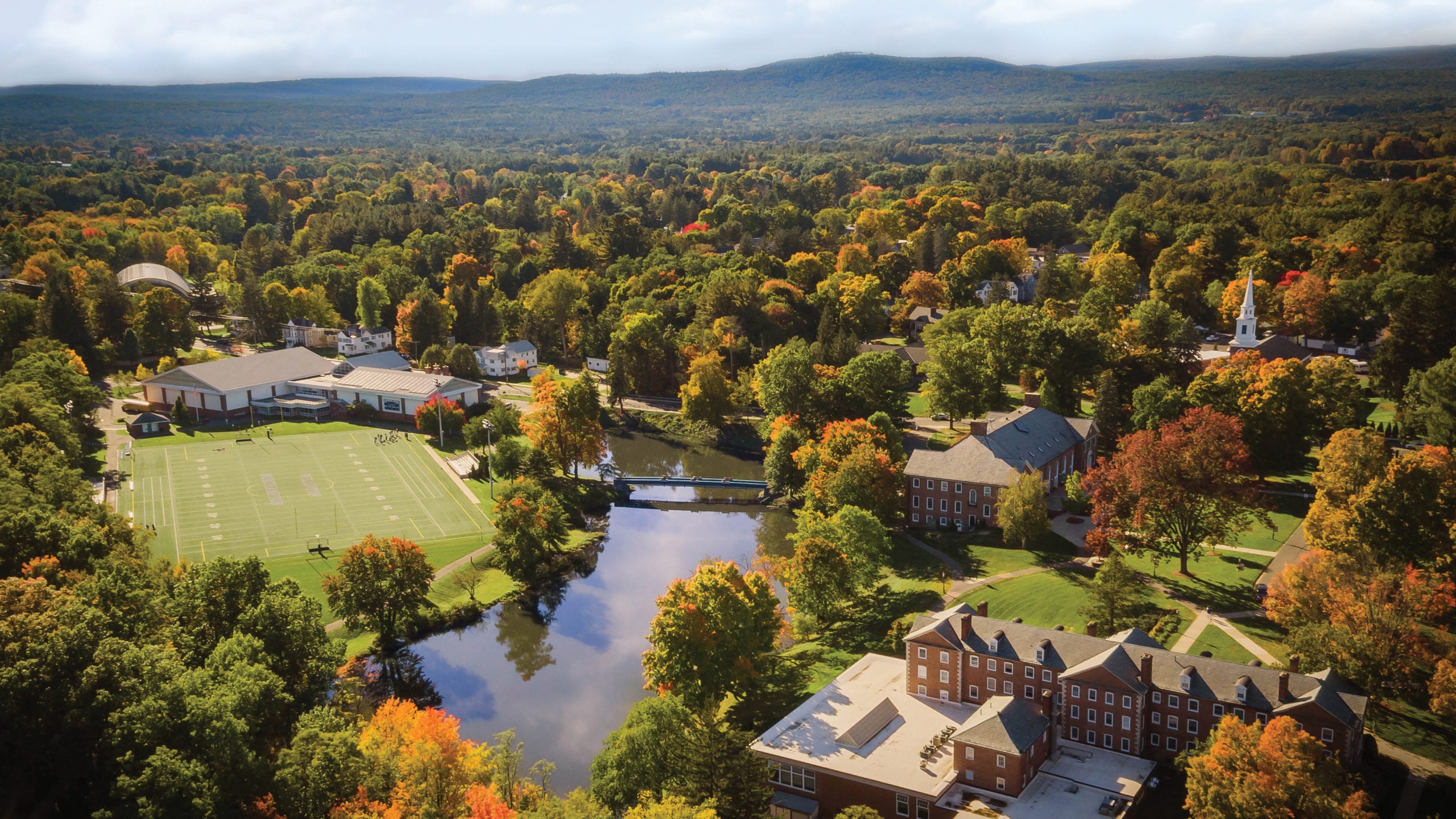
Williston Northampton School campus in Easthampton, Massachusetts

Our process

How GESP works with your family

One advisor works with your family from the first call to your child's first day on campus.

Talk with a GESP advisor

The admissions calendar

Most boarding schools admit new students in September. Families who start with us the summer or autumn before have every school still open to them.

Shortlist

November

Applications

January

Decisions

March

Arrival

August

Reaching us after the autumn? Some schools accept applications into the spring, with fewer places left.

Especially useful for students aged 12 to 14. The extra year goes to building the school record, visiting a campus or a showcase, and preparing the English.

Preparation

this year

Shortlist

next summer

Applications

the January after

Arrival

the August after

On this page
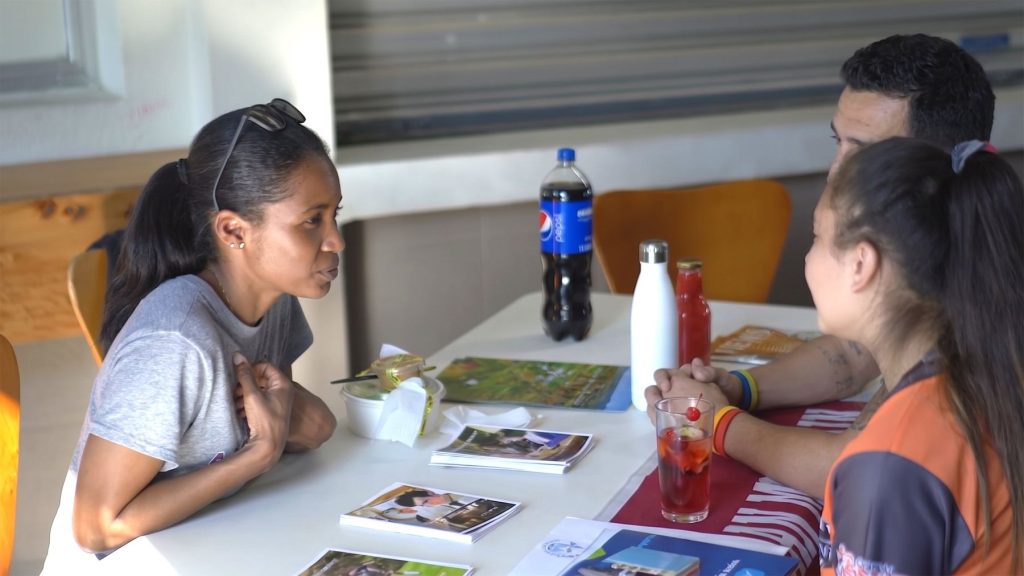
Darlenia Kokoszka of GESP talks with a student and a family member across a table of school brochures
01

We start with readiness

When you send a message or fill in the form, an advisor looks at where your child stands today: grades, English, age and the year they would enter, and what your family can spend. Some families are ready to start now. Others are better placed to start in a later year, and leave knowing what to work on in the meantime.

What you get

  • A named advisor from the first call

What we ask of you

  • Your child's latest school report
  • Your budget range

Who decides

YouGESP
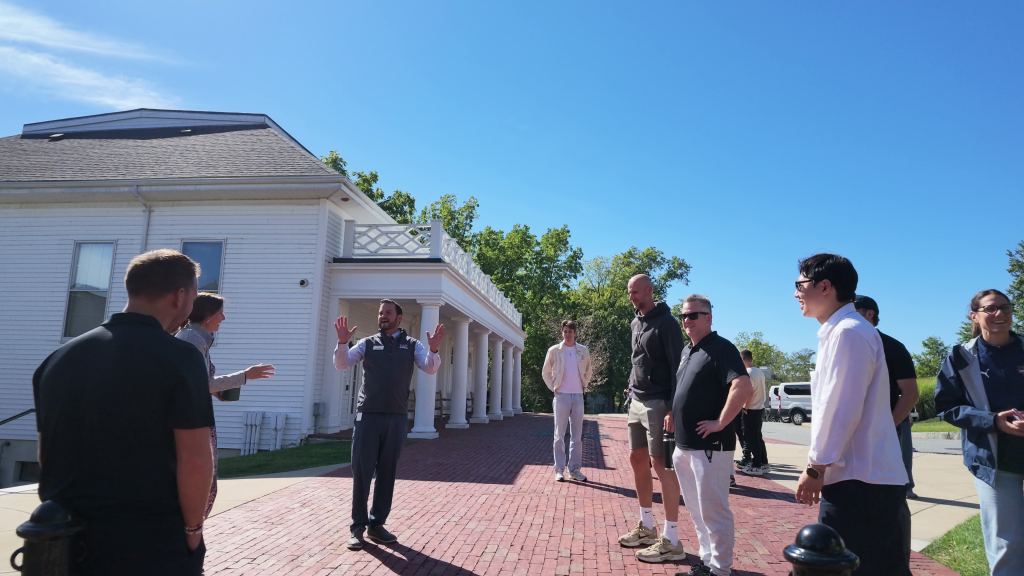
A Fay School host speaks to families on a GESP admissions tour outside a white campus building
02

We narrow the field

We start with what your child wants and won't accept: size, location, campus culture, level of sport. Schools your child wouldn't attend come off the list before admission chances are weighed. We then assess the schools that remain against your child's record, English, athletic level and your budget.

What you get

  • A short list in writing, typically three schools. Each proposal names the school, why it fits your child academically and socially, the support it offers, the likely cost after aid, and what its application needs.
  • Our read on your child's chances of admission and aid at each

What we ask of you

  • The last two years of school reports, plus whatever else you have from our document checklist; we chase the rest
  • A short English assessment, if your child hasn't taken one
  • For athletes, recent footage

Who decides

YouGESP
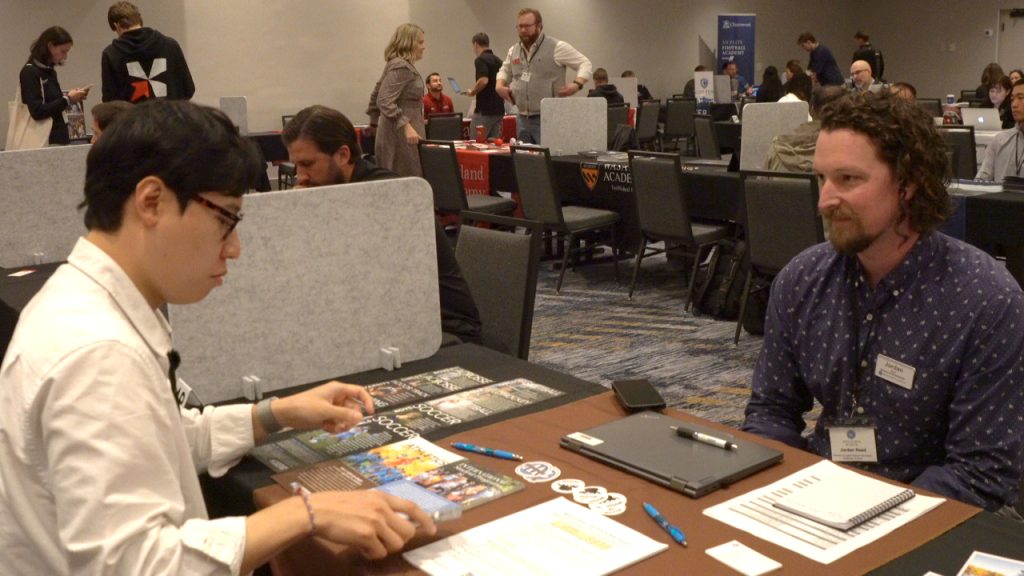
A boarding school admissions director in conversation across a table at the GESP conference, with other school tables behind
03

We introduce your child to the schools

Once you approve the list, we contact each school and present your child with a file we have prepared. Each year, admissions directors from dozens of GESP network schools set up at our conference to meet our international partners and families. Each school schedules its own interview with your child, and we prepare your child for it.

What we handle

  • The SAO application, the Duolingo English Test and the aid forms
  • Submission, follow-up and deadlines with each school
  • Interview preparation for your child

What we ask of you

  • Sign forms by the dates we give you
  • Tell us straight away if anything changes

Who decides

GESPThe school
Details

The SAO is the common application most boarding schools use. The Duolingo English Test is accepted across the network. Clarity is the aid form some schools require. Admission and aid are separate decisions, and a school can say yes to one before the other.

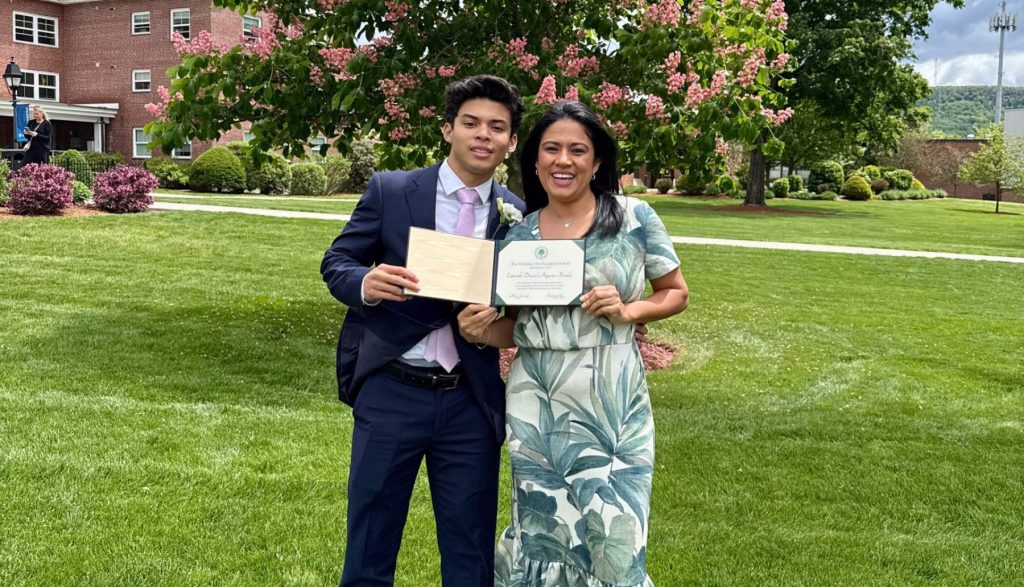
Daniel Argueta Rosales and his mother, Marielos Rosales, holding certificates on a school campus
04

Decisions, enrollment and arrival

Most schools decide in early March, and families reply by early April. If your child has more than one offer, we lay out what each one costs your family, year by year, at the rates GESP has negotiated with partner schools, often below published tuition. Once you accept a place and pay the deposit, enrollment paperwork begins, including your child's student visa documents. Then flights, packing, holidays, and who to call once your child lands.

What you get

  • Every offer side by side, at its full cost to your family
  • Payment in full or in instalments at many partner schools

What we ask of you

  • Decide by each school's reply date, and pay the deposit that holds the place
  • Start the enrollment and visa paperwork as soon as the documents arrive
  • Confirm travel plans with your advisor before your child flies

Who decides

YouThe school
Details

Visa timing varies by country, so paperwork starts as soon as the school’s documents allow. Students live on campus during the school year; holidays and guardian arrangements are settled before travel.

Questions families ask

Tuition and fees go to the school, or through GESP at many partner schools, in full or in instalments. GESP’s fee is separate from tuition; your advisor sets it out on the first call.

Each school awards aid from its own budget, and international students generally receive less than U.S. students. GESP’s negotiated rates often bring the price below published tuition, but they do not replace aid.

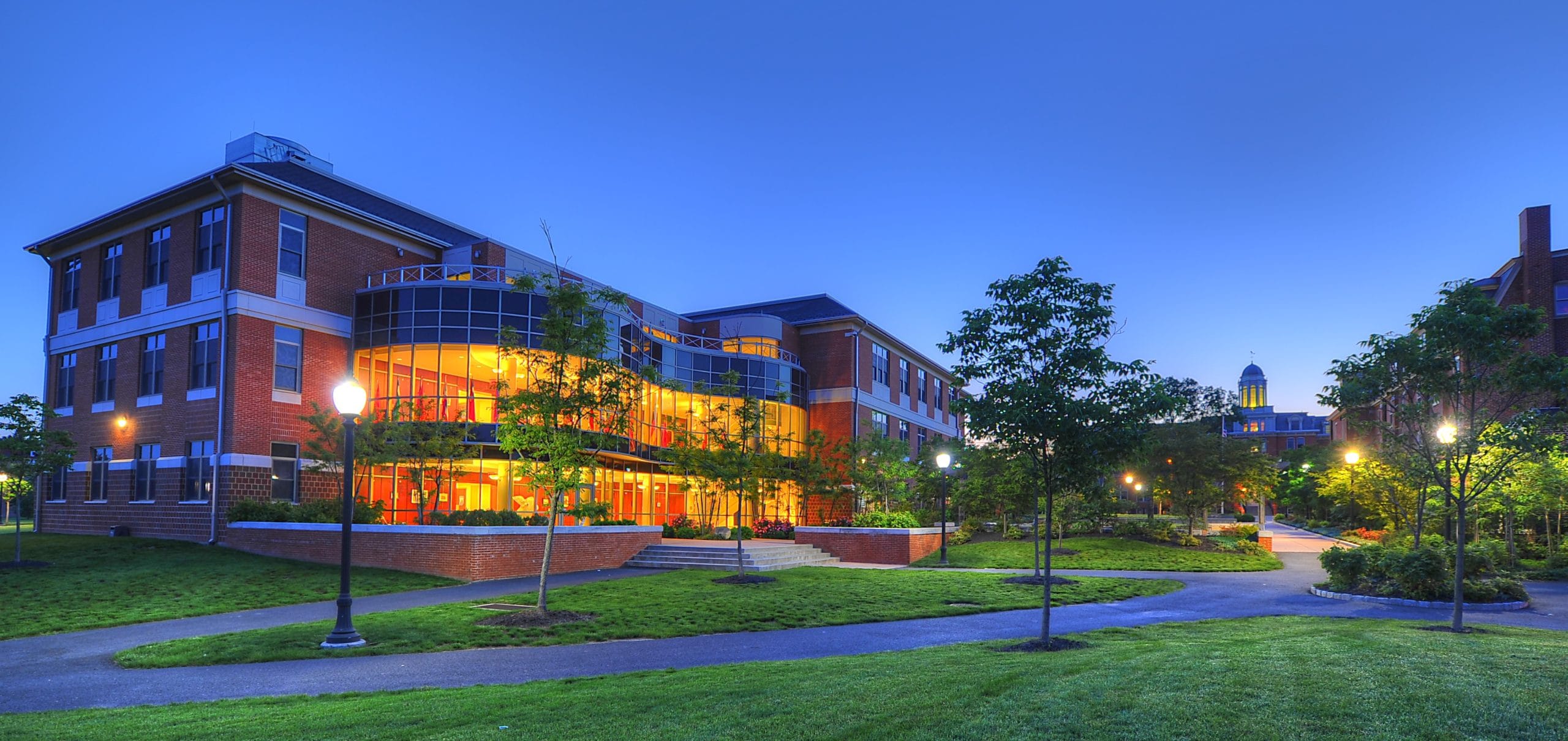
A Perkiomen School building at dusk, windows lit, with a path across the lawn

Next step

Start with a conversation about your child.

Tell us about your child and what your family hopes to find, and an advisor will call you back.

Talk with a GESP advisor

No Dream Is Too Big.