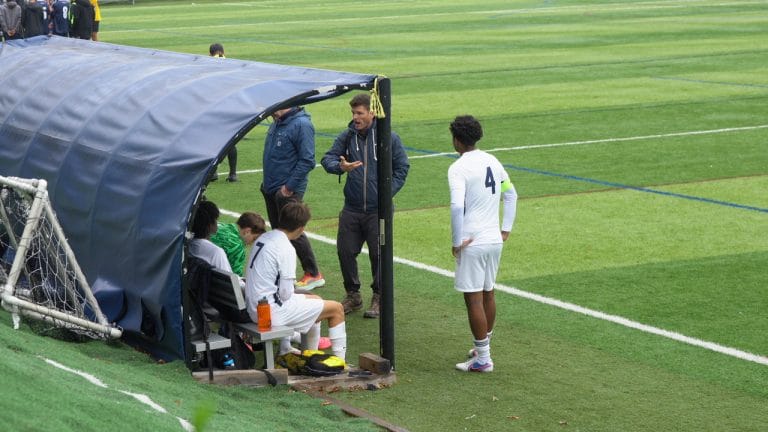


If your child is a serious athlete, the search for a U.S. boarding school, sometimes called a prep school, can feel like it has only one question: which school has the strongest team?
That question matters. It is not the first question, and on its own it can lead a family to the wrong school. A school can have a strong team and still be the wrong fit. The training can be right and the classroom wrong. The coach can be excellent and the dorm life lonely.
This guide covers the questions that matter, in order, for U.S. and international families.
Where do I start: my child or the school?
Start with your child. Before you look at any school, write down what is true about your child today, not what you hope they will become in two years.
- What does your child love about their sport, and what do they find hard?
- How do they handle a week when training, homework, and tiredness arrive together?
- How do they recover from a bad game, a benching, or an injury?
- Do they learn best in a small, discussion-based class or a structured one?
- What helps them feel settled: close friends, a quiet room, a coach who checks in?
The sport is a few hours of the day. The rest is classes, meals, dorm life, and other teenagers. Choose for the child you have now, with room to grow, not a school they must grow into before they belong.
What is my athlete aiming for?
Before committing to a school, your child needs an honest conversation with the coach about what they want from their sport. A school that is right for one goal can be wrong for another.
- Play in college. Ask at what level, then ask what recruiting support the school offers: showcases, contact with college coaches, highlight video help.
- Go pro. Be honest with the coach and with each other. A coach who has guided players that way will tell you plainly whether your child’s level points there.
- Play for fun. This is a valid goal. A strong but relaxed program where your child plays regularly may fit better than a high-pressure one where they rarely see the field.
- High school only. Some families choose boarding school for the academics and independence, with sport as one part of it. Say so. A good school will respect that.
Have this conversation before your child enrolls. Goals change, and a good coach keeps checking in.
For a sense of scale in soccer: about 5.9% of U.S. high school boys who play on a school team go on to play NCAA soccer, and 1.4% play at Division I. For girls, the figures are 7.9% and 2.8%.1 Most of those college places are at Division II and III, so for many players the college question is which level, more than whether.
Will my child actually play?
At home, your child may have been the best player on the team. At a U.S. boarding school, the level of play is often higher: the pace is faster, the competition is deeper, and the style of play is more advanced. A player who dominated at home can arrive and find they are no longer the standout. That can shake a teenager who has always been the star, so talk about it before they leave.
It is not automatically good or bad. What matters is whether your child plays and improves. Most schools field teams at more than one level, often varsity and junior varsity, sometimes a third. A player on junior varsity who plays every game will often develop more than a varsity player who rarely plays.
This is also why a school’s record is an incomplete guide. A winning team tells you what the program has done. It does not tell you whether your child will play, develop, or be happy. Families who choose on reputation alone sometimes watch their child train hard all season and rarely play, or find that the coach who drew them has left.
Ask the coach:
- Which level would my child realistically be placed at in their first year?
- How much would they play, and what does the path look like from there?
No school can promise college recruitment, scholarships, or a particular outcome. What you can ask for is development.
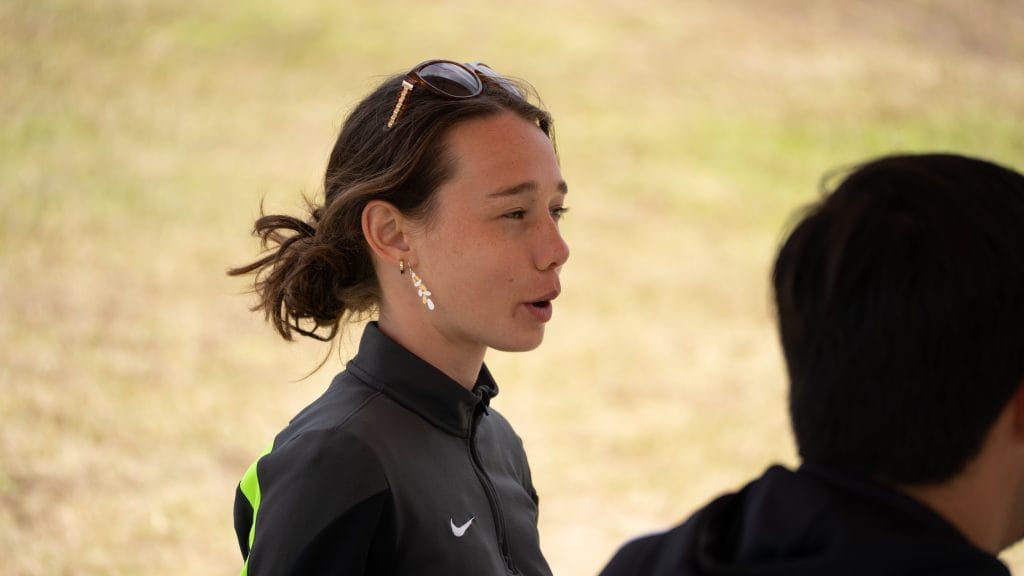
What should I look for in a coach?
A website shows a coach’s record. It does not show how they work with teenagers. Listen for how they describe their players.
- Do they talk about individual players, or only the team and the season?
- How do they handle a player who is struggling? Ask for a real example.
- How often do they talk to parents? A coach who tells you honestly when your child is struggling is worth more than one who only calls with good news.
- What happens when a player is injured? How do they stay part of the team?
- How does the coach work with teachers when training and academics collide?
You are choosing one of the adults who will shape how your child handles pressure, disappointment, and success.
How do the school day and training fit together?
A demanding schedule teaches time management and discipline. It can also wear a student down. When training, travel, and homework pile up, something gives, usually sleep, grades, or the sport.
- What time does training start and end, and how much homework is realistic on a training day?
- What happens in a week with away games and major assignments?
- Is study time protected, or does training run over it?
- Is academic support normal for athletes, or does using it feel like falling behind?
Every serious program has tight weeks. A school that admits it and has a plan is a better sign than one that says everything fits easily.
Boarding school weeks are full. In a 2024 survey of more than 9,500 students in North America by The Association of Boarding Schools (TABS) and Canadian Accredited Independent Schools (CAIS), boarding students were nearly 80% more likely than day and public school students to report 10 or more hours a week of academic work outside class.2 The survey is published by the schools’ own associations and shows an association, not a cause, so ask each school what a normal week of homework looks like for its athletes.

What does the program include?
Do not assume. What is covered, and what costs extra, varies widely. Ask each school.
- Uniforms and equipment. Included, or paid separately? What about replacements?
- Transportation. Who provides and pays for travel to practices and away games?
- League play. Which league, how strong, and what does a season look like, including championships?
- Showcases and college exposure. Which are included, and how are players selected?
- Athletic training and medical care. Is a trainer on campus? Who treats an injury, and at what cost?
- Meals and nutrition. How does the school feed athletes in season, including those who need more or different food?
The goal is not to find the school that includes the most. It is to know exactly what you are getting and what you are paying for.
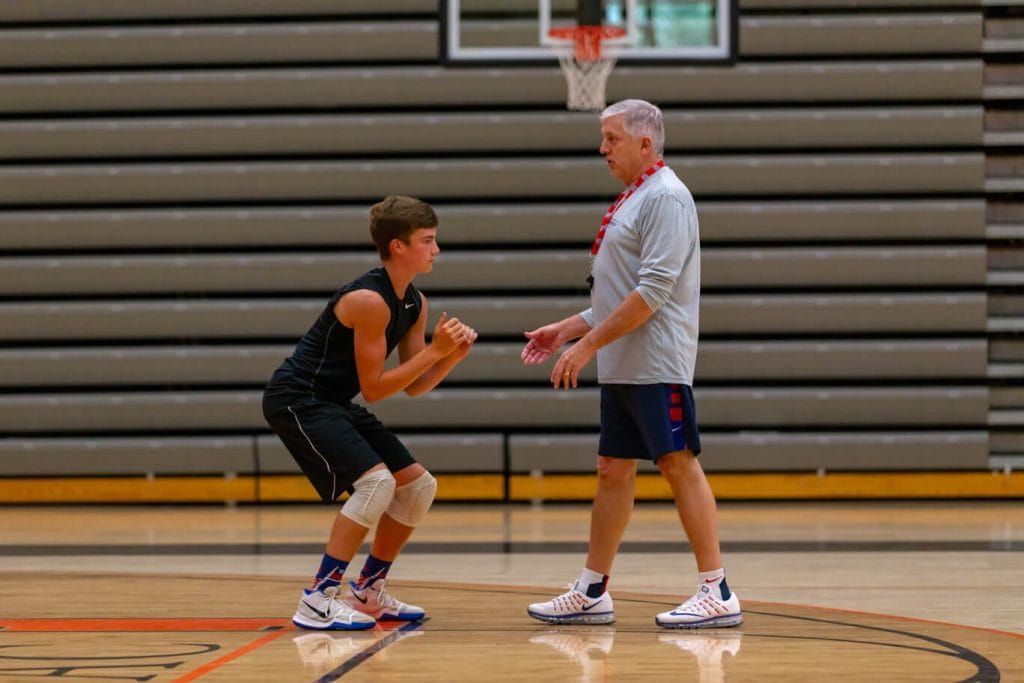
How do I evaluate a school before enrolling?
If you can visit, do, and ask to see a normal day, not just the tour. If you cannot, build the visit yourself.
- Talk to the coach on a video call about your child’s level, goals, and where they would fit.
- Talk to a current athlete about daily life: what a hard week looks like and who they turn to when something goes wrong.
- Send game film and ask the coach to tell you plainly which level your child would play at.
- Get a written daily schedule and compare it with what your child can handle.
- Ask the two questions that reveal the most. Who does my child turn to at 10 p.m. if something is wrong? And if this isn’t working, how will we know, and what will we do?
A school that answers with specific examples is showing you how it works. One that answers in generalities is telling you less than you need to know.
This is where GESP does the work for you. We have direct relationships with coaches and admissions staff at the schools we work with, and we are in regular contact with them, not just when a family applies. Coaches tell us what a website never will: whether they need a goalkeeper, whether the junior varsity bench is deep, where a player like yours would fit, and how much they are likely to play. We have those conversations before we recommend a school, so the shortlist you see has already been checked. If you cannot visit, that is the part you would otherwise be missing.
Continue reading
Frequently asked questions
It depends on the school, the sport, and your child’s level. Send game film and ask the coach which level your child would play at.
Many aren’t at first. Focus on whether they will play and improve, not on which team they start on.
Build the visit yourself: a video call with the coach, a call with a current athlete, game film, and a written daily schedule.
Tuition is the starting point. Athletic fees, uniforms, travel, and league costs can add to it, and they vary by school. Some schools offer financial aid. Ask each school for a written list of what is included and what is extra.
Yes. GESP talks directly with coaches and admissions staff before recommending a school, so families start with schools already checked against their athlete’s sport, level, and needs.
Talk to the coach and the advisor early. Before enrolling, ask how the school handles a student who is struggling.
Sources
Terms in this article
Considering U.S. boarding school?
If your family is beginning the process and would like help understanding which schools may be appropriate for your child, talk with a GESP consultant.
Talk with a GESP consultantNo Dream Is Too Big.